Building a Sustainable Supply Chain: Key Strategies for Success
Understanding the Importance of a Sustainable Supply Chain
In today's rapidly evolving global market, building a sustainable supply chain is not just an ethical choice but a strategic necessity. A sustainable supply chain helps in reducing environmental impact, enhancing brand reputation, and ensuring long-term profitability. Companies are increasingly recognizing that their supply chains are central to their sustainability efforts.
Implementing sustainable practices can lead to operational efficiencies, cost savings, and improved risk management. Additionally, stakeholders, including consumers, investors, and regulatory bodies, are demanding greater transparency and accountability. By prioritizing sustainability, businesses can meet these expectations and foster trust and loyalty.
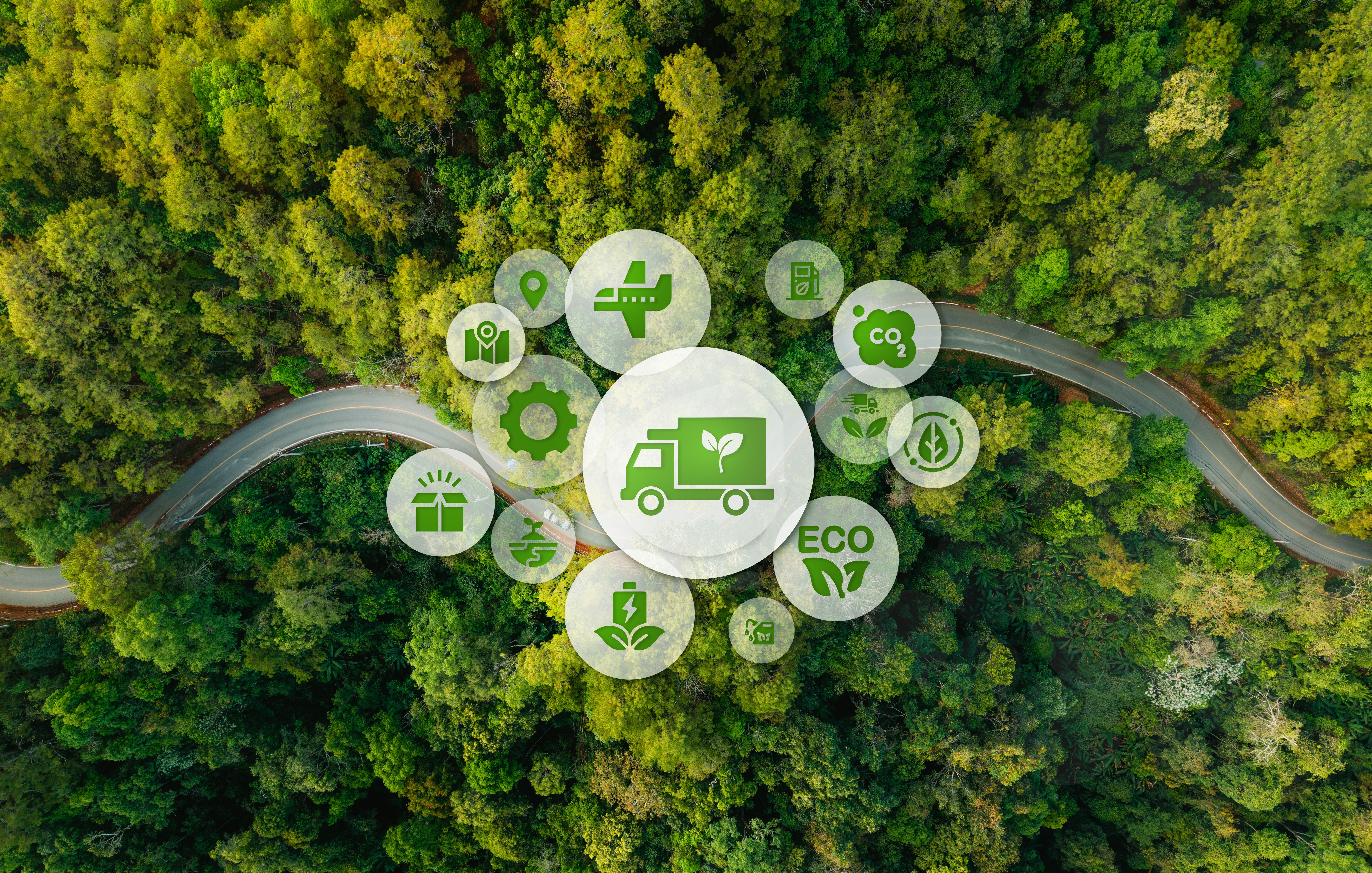
Key Strategies for Building a Sustainable Supply Chain
1. Supplier Collaboration and Engagement
Collaborating with suppliers is crucial for achieving sustainability goals. Businesses should work closely with their suppliers to ensure that they adhere to ethical and environmental standards. This can involve setting clear guidelines, conducting regular audits, and offering training programs to help suppliers improve their practices.
Strong relationships with suppliers can lead to better communication and more innovative solutions. By fostering a culture of collaboration, companies can influence their entire supply chain to adopt sustainable practices.
2. Embracing Technology and Innovation
Technology plays a vital role in enhancing supply chain sustainability. Implementing advanced technologies such as artificial intelligence, blockchain, and IoT can provide greater visibility and traceability across the supply chain. These technologies enable companies to track and monitor the environmental impact of their operations more effectively.
Innovation also includes exploring alternative materials and production methods that reduce environmental impact. Companies can invest in research and development to discover new ways to minimize waste and energy use.

Measuring and Reporting Sustainability Performance
3. Setting Clear Sustainability Goals
To successfully build a sustainable supply chain, businesses must set clear and measurable sustainability goals. These goals should align with the company's overall mission and values and be communicated across the organization. By setting specific targets, companies can track progress and make informed decisions to improve their sustainability efforts.
Regularly reviewing and adjusting these goals is essential to ensure they remain relevant and achievable. Companies should also engage stakeholders in the goal-setting process to gain valuable insights and support.
4. Transparent Reporting and Communication
Transparency is key to building trust with stakeholders. Companies should regularly report on their sustainability performance, including achievements, challenges, and areas for improvement. This can be done through sustainability reports, online dashboards, or public announcements.
Effective communication helps build credibility and demonstrates a genuine commitment to sustainability. It also provides an opportunity for companies to share their successes and inspire others to adopt similar practices.

Continuous Improvement and Adaptation
Building a sustainable supply chain is an ongoing process that requires continuous improvement and adaptation. Companies should be prepared to evolve their strategies in response to changing market conditions, technological advancements, and stakeholder expectations.
Regular evaluations and feedback loops can help identify areas for improvement and ensure that sustainability efforts remain aligned with business objectives. By fostering a culture of continuous learning and innovation, companies can stay ahead of the curve and maintain a competitive advantage.
In conclusion, building a sustainable supply chain involves a comprehensive approach that encompasses collaboration, technology, goal-setting, and transparency. By implementing these key strategies, businesses can achieve long-term success and contribute to a more sustainable future.