Carbon Footprint Reduction: A Step-by-Step Guide for Businesses
Reducing your business's carbon footprint is not just an environmental imperative; it's also a smart business strategy. By implementing sustainable practices, companies can cut costs, enhance brand reputation, and meet regulatory requirements. This guide will walk you through the steps to effectively reduce your carbon footprint.
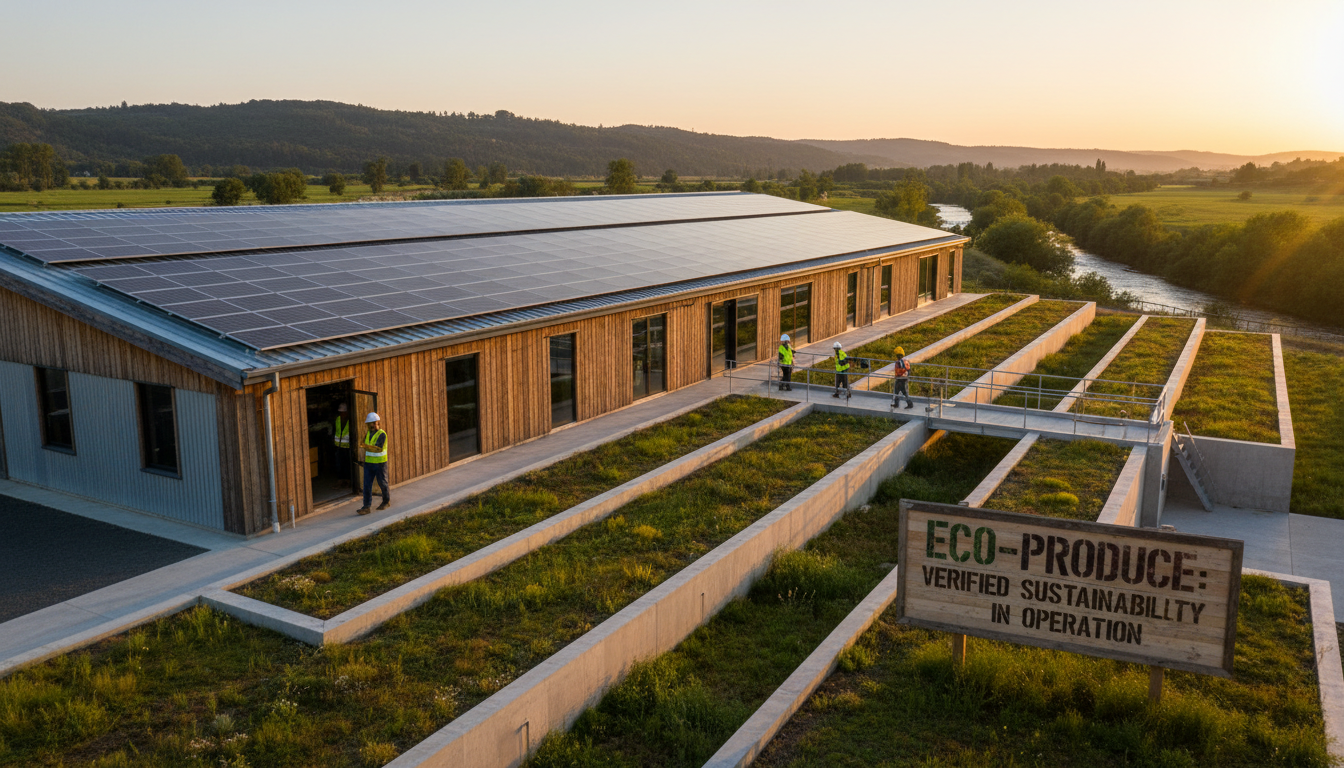
Understand Your Current Carbon Footprint
The first step in any reduction strategy is understanding your current impact. Conducting a carbon audit helps identify the primary sources of emissions within your business operations. This audit will provide a baseline for measuring improvement and help prioritize areas for action.
Consider consulting with environmental experts or using carbon footprint calculators specifically designed for businesses. This data will be the foundation for all subsequent initiatives.
Set Clear and Achievable Goals
Once you've identified the main sources of emissions, set realistic targets. These should be specific, measurable, achievable, relevant, and time-bound (SMART). For instance, aim to reduce energy consumption by 20% over the next three years.
Engage stakeholders in the goal-setting process. When employees, suppliers, and customers are invested in the outcome, they're more likely to support your efforts.
Optimize Energy Use
Energy consumption is often the largest contributor to a company's carbon footprint. Start by upgrading to energy-efficient equipment, utilizing smart thermostats, and investing in LED lighting. Encourage habits like turning off lights and machines when not in use.
- Adopt renewable energy sources such as solar or wind power.
- Implement an energy management system to track and optimize usage.
Reduce Waste and Promote Recycling
Waste reduction is a vital component of any sustainability strategy. Encourage recycling and composting within your organization. Implement a paperless policy by utilizing digital tools and cloud storage services.
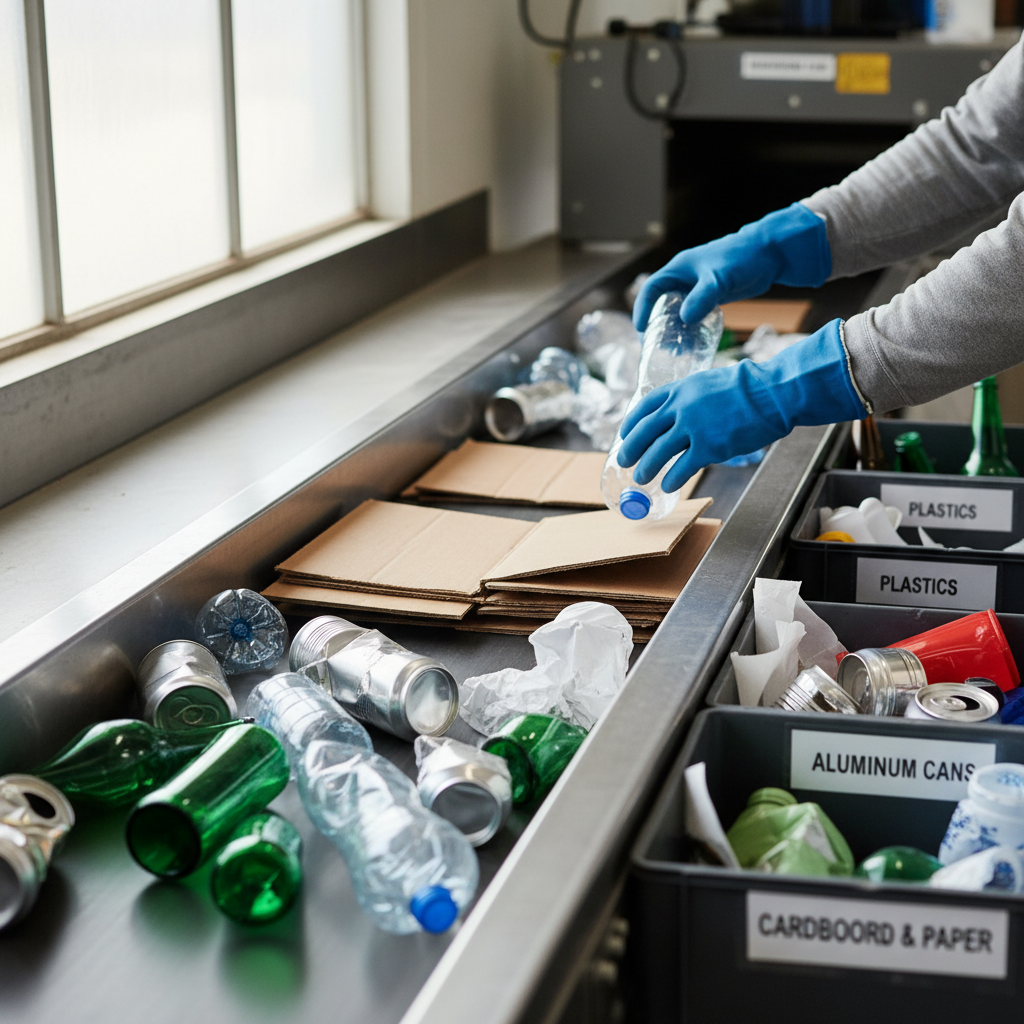
Partner with suppliers who prioritize sustainable packaging and consider reusing materials whenever possible. This not only cuts down waste but also reduces costs in the long run.
Encourage Sustainable Transportation
Transportation is another significant source of carbon emissions. Promote carpooling, provide incentives for public transportation, and consider flexible work-from-home policies. If your business utilizes a fleet, explore electric or hybrid vehicles.
Implement practices that reduce travel needs, such as virtual meetings and conferences, to further minimize your transportation footprint.
Monitor Progress and Adapt
Regularly monitor the progress of your initiatives. Use key performance indicators (KPIs) to assess how well your strategies are performing and adjust as necessary. This ensures that your efforts are effective and that you're on track to meet your goals.

Consider periodic reviews and updates to your sustainability plan to incorporate new technologies and practices that could further reduce your carbon footprint.
By following these steps, your business can significantly reduce its carbon footprint, contributing to a more sustainable future while also reaping economic benefits. Remember, sustainability is an ongoing process that requires commitment and innovation.