Digital Transformation Solutions for a More Sustainable Future
The Role of Digital Transformation in Sustainability
In the modern world, digital transformation is playing a pivotal role in creating a more sustainable future. By leveraging cutting-edge technology, businesses can reduce their environmental footprint and foster a culture of sustainability. This shift is not just beneficial for the planet but also enhances efficiency and profitability.
One of the primary ways digital transformation contributes to sustainability is by optimizing resource usage. Technologies such as the Internet of Things (IoT) and Artificial Intelligence (AI) help monitor and manage resource consumption effectively. This leads to reduced waste and lower energy consumption.
Smart Cities and Sustainable Development
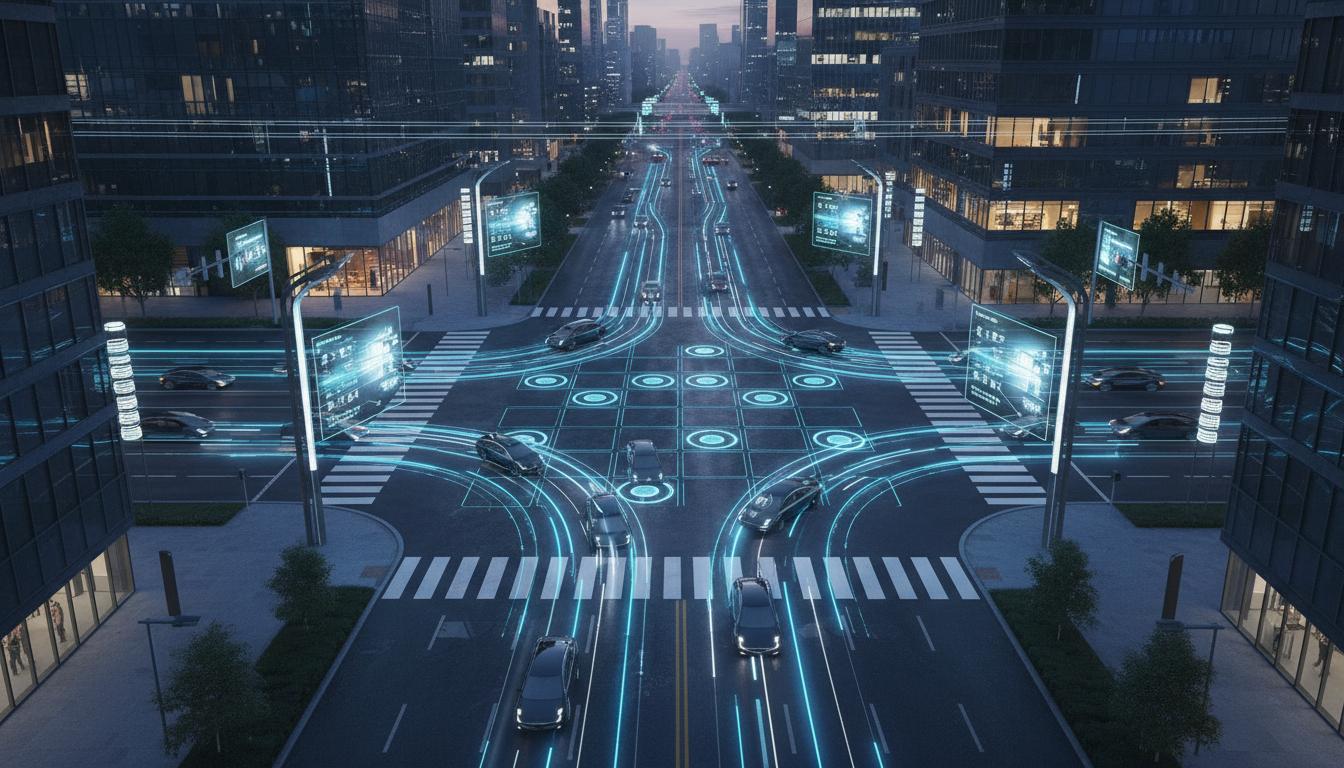
Smart cities are a shining example of how digital transformation can lead to sustainable urban development. By integrating information and communication technologies, cities can improve the quality of life for residents while minimizing environmental impact.
Features like smart grids, intelligent transportation systems, and automated waste management contribute to cleaner and more efficient urban environments. These technologies help reduce carbon emissions and promote sustainable living.
Green Supply Chains
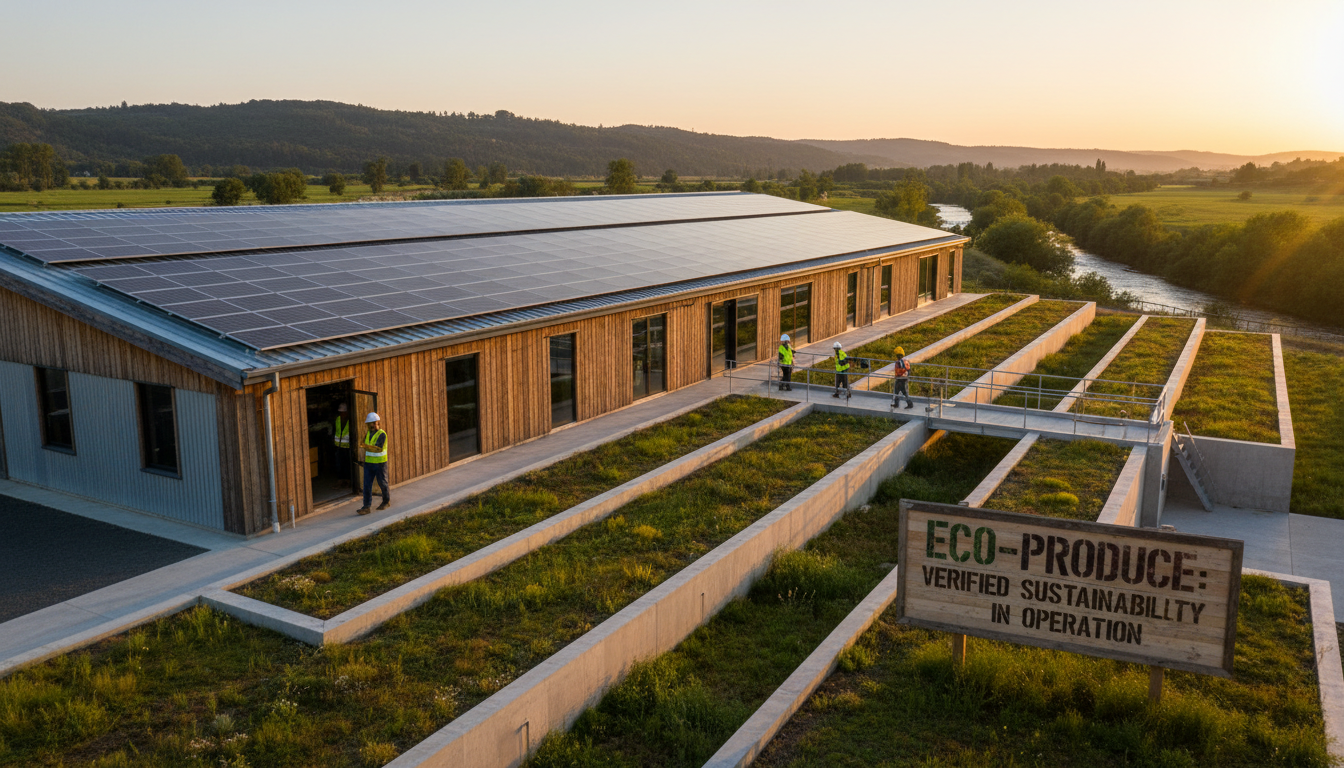
Digital transformation also impacts supply chains, making them more sustainable. By utilizing advanced software and analytics, companies can streamline operations, reduce waste, and minimize their carbon footprint.
Technologies such as blockchain ensure transparency and traceability, ensuring that products are sourced and manufactured sustainably. This transformation not only benefits the environment but also enhances brand reputation and customer loyalty.
Key Benefits of Green Supply Chains
- Reduced transportation emissions
- Efficient resource management
- Improved supplier accountability

Remote Work and Reduced Carbon Footprint
The rise of remote work, driven by digital transformation, has led to a significant reduction in carbon emissions. Fewer people commuting to work means less traffic congestion and lower greenhouse gas emissions.
Moreover, remote work often results in reduced office space requirements, which translates to less energy consumption and waste. This shift not only supports sustainability but also promotes work-life balance and employee satisfaction.

Challenges and Opportunities
While digital transformation offers numerous benefits for sustainability, it also presents certain challenges. The initial investment in technology and the need for skilled personnel can be barriers for some organizations.
However, the long-term gains, including cost savings, improved efficiency, and a positive environmental impact, make it a worthwhile endeavor. By embracing digital transformation, businesses can lead the way toward a more sustainable future.
Steps to Overcome Challenges
- Invest in employee training and development
- Partner with technology providers
- Start with small, scalable projects