Expert Insights: The Future of Strategic Planning in Sustainable Business
Understanding the Shift in Strategic Planning
As businesses worldwide become more aware of their environmental impact, strategic planning in sustainable business is evolving rapidly. Companies are increasingly focusing on integrating sustainable practices into their core strategies. This shift is not just about compliance; it’s about innovation and leadership in a changing market landscape.
Experts predict that the future of strategic planning will be heavily influenced by sustainability goals. This involves not only meeting regulatory requirements but also anticipating future trends and consumer demands. Companies that adopt these strategies early are likely to gain a competitive edge.
The Role of Technology in Sustainability
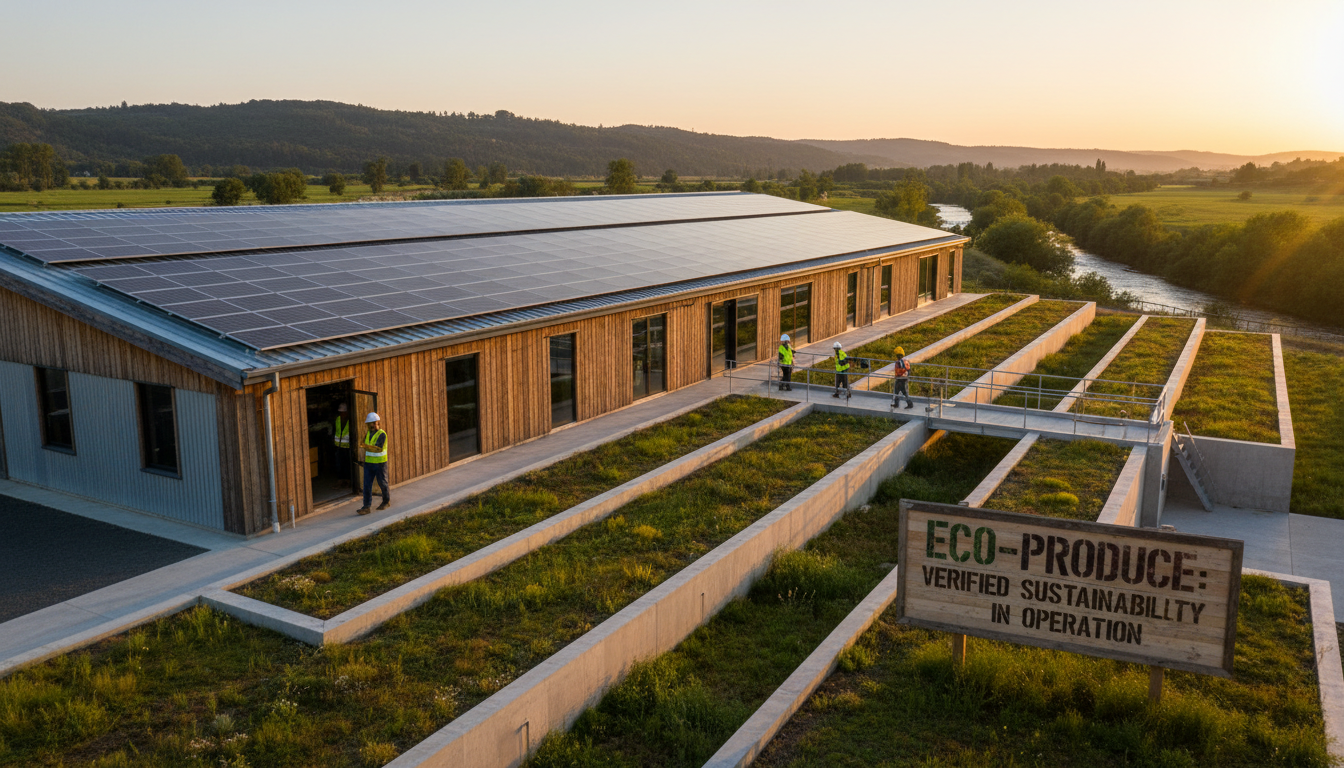
Technology is playing a pivotal role in transforming how companies approach sustainability. From renewable energy solutions to advanced data analytics, technology provides tools to enhance efficiency and reduce environmental impact. Businesses are leveraging these technologies to monitor resource usage, optimize supply chains, and innovate product offerings.
AI and machine learning, for example, are enabling businesses to predict future trends and make informed decisions about resource allocation. This proactive approach is becoming a key component of strategic planning in sustainable business.
Consumer Influence on Sustainable Practices
Consumers today are more informed and concerned about the products they buy and the companies they support. This shift in consumer behavior is driving businesses to reevaluate their practices and prioritize sustainability. Strategic planning now includes a focus on transparency, ethical sourcing, and environmental responsibility.

Brands that openly communicate their sustainability efforts and demonstrate real commitment are more likely to build stronger relationships with their customers. This consumer-driven approach is reshaping how businesses plan their long-term strategies.
Challenges and Opportunities
While the move towards sustainable business practices presents numerous opportunities, it also comes with challenges. Companies must balance economic goals with environmental responsibilities, which can involve substantial initial investments. However, these investments often lead to long-term savings and new business opportunities.
Strategic planning in this context requires understanding the complexities of global supply chains and the potential risks associated with environmental changes. Businesses that successfully navigate these challenges can position themselves as leaders in sustainability.

Collaboration and Partnerships
Collaboration is key to advancing sustainable business practices. Companies are forming partnerships with NGOs, governments, and other organizations to share resources and expertise. These collaborations can lead to innovative solutions and accelerate progress towards sustainability goals.
By working together, businesses can tackle larger issues that are difficult to address individually, such as climate change and resource scarcity. This collective effort is a critical component of future strategic planning in sustainable business.
Conclusion: A Vision for the Future
The future of strategic planning in sustainable business is promising and full of potential. As more companies embrace sustainability, the landscape of business strategy will continue to evolve. The integration of technology, consumer influence, and collaborative efforts will shape the next generation of sustainable business practices.
Ultimately, businesses that prioritize sustainability in their strategic planning will not only help protect the planet but also ensure their own long-term success and resilience in an ever-changing world.