How to Develop Sustainable Growth Strategies for Long-Term Success
Understanding Sustainable Growth
In today's rapidly changing business landscape, developing sustainable growth strategies is crucial for long-term success. Sustainable growth focuses on building a business model that supports consistent progress while considering environmental, social, and economic factors. By aligning your business goals with sustainable practices, you can ensure profitability and longevity.
Evaluating Your Current Business Model
Before developing new strategies, it's essential to evaluate your current business model. Assess your strengths, weaknesses, opportunities, and threats (SWOT analysis) to identify areas for improvement. Understanding your current position will help you create a roadmap that aligns with sustainable growth objectives.
Conducting market research is also vital. It helps you understand industry trends, customer needs, and competitor strategies. This knowledge will enable you to innovate and adapt to changing market conditions effectively.
Setting Clear and Achievable Goals
Defining clear and achievable goals is a cornerstone of any growth strategy. Ensure these goals are specific, measurable, attainable, relevant, and time-bound (SMART). By setting realistic objectives, you provide your team with a clear direction and motivation to achieve them.

Incorporating Environmental Responsibility
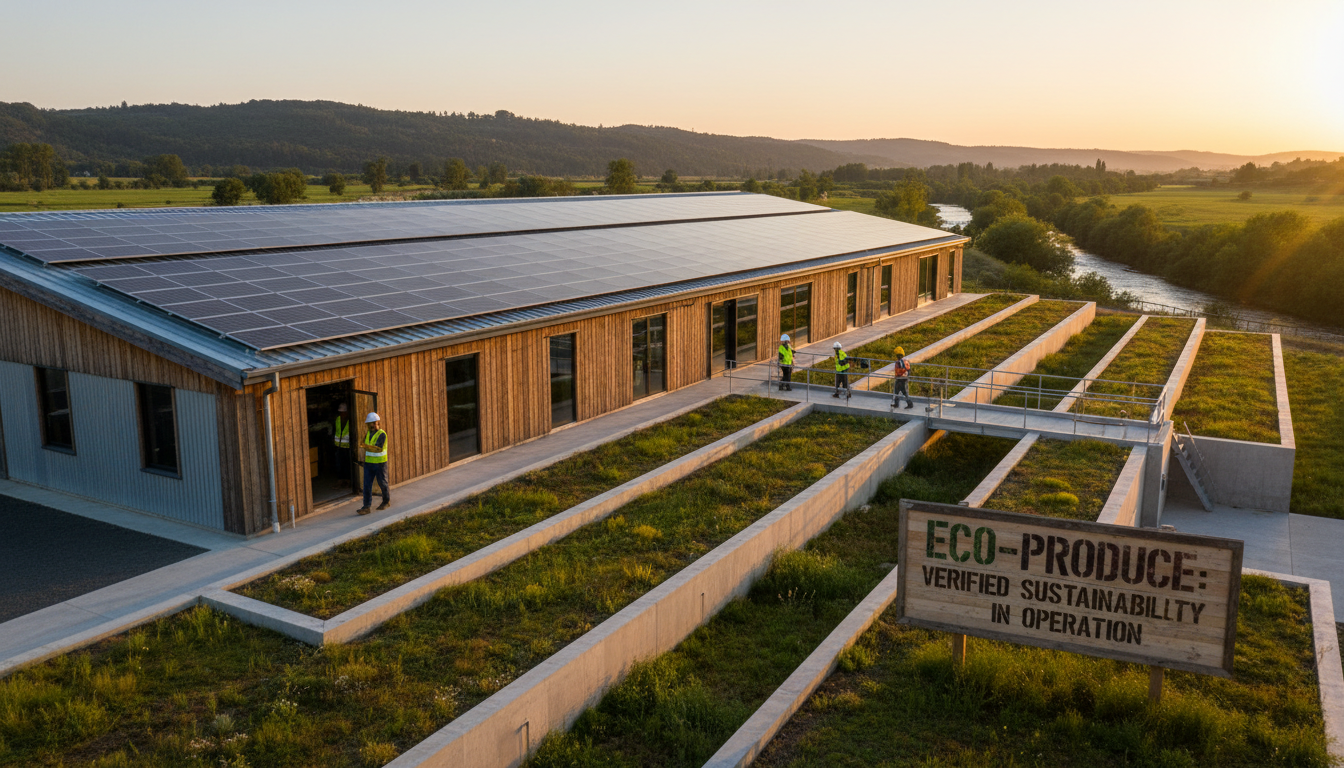
Incorporating environmentally responsible practices is not just a trend but a necessity. Businesses are increasingly expected to reduce their carbon footprint and utilize sustainable resources. Consider adopting energy-efficient technologies, reducing waste, and supporting eco-friendly initiatives.
Engaging in sustainable practices not only benefits the environment but also enhances your brand image. Customers are more likely to support businesses that demonstrate a commitment to sustainability.
Promoting Social Responsibility
Social responsibility involves creating positive impacts on society and the communities in which you operate. This can include fair labor practices, community engagement, and ethical sourcing. By fostering a culture of social responsibility, you build trust and loyalty among your customers and employees.

Leveraging Technology for Growth
Technology plays a pivotal role in sustainable growth. Leveraging digital tools and platforms can streamline operations, improve efficiency, and enhance customer experiences. Consider investing in automation, data analytics, and customer relationship management (CRM) systems to support your growth strategy.
Staying ahead of technological advancements ensures that your business remains competitive and adaptable in a rapidly evolving market.
Monitoring and Adapting Your Strategy
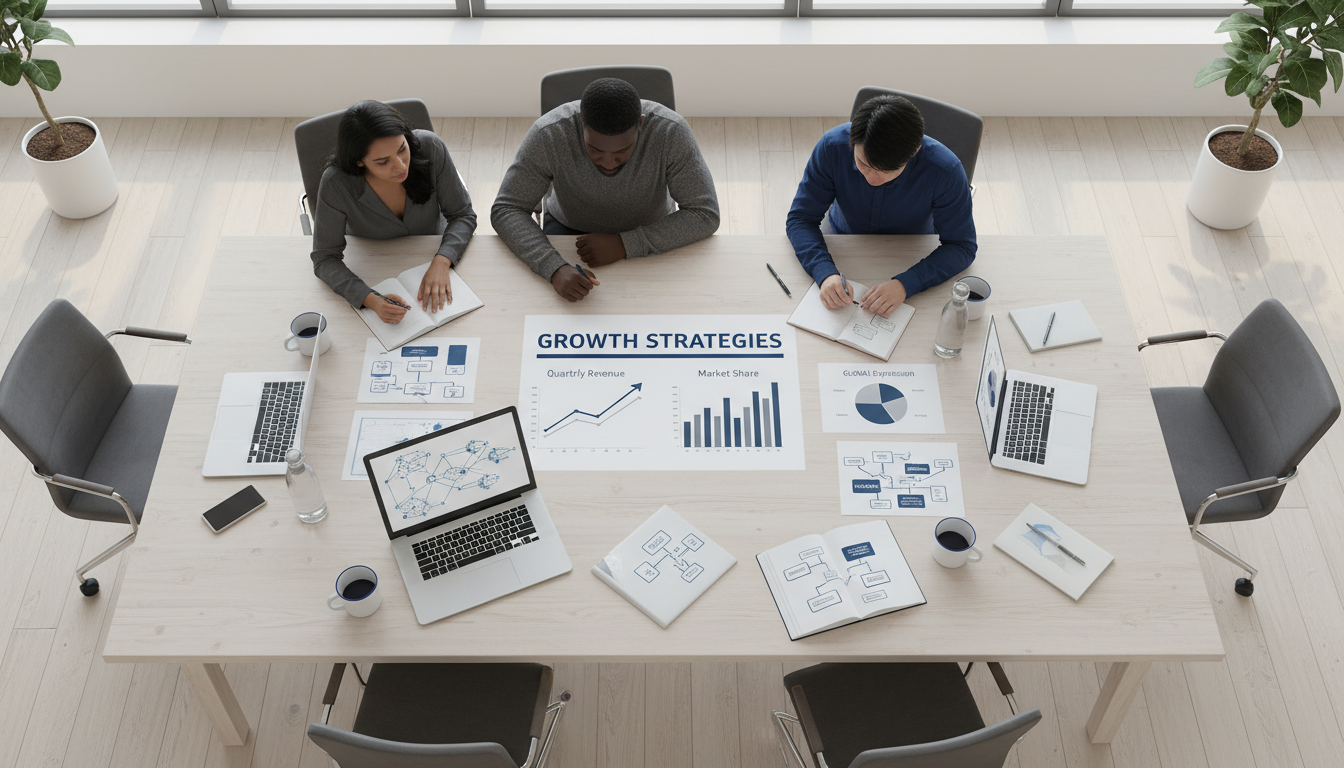
Finally, it's crucial to regularly monitor and adapt your growth strategy. Set up key performance indicators (KPIs) to track progress and identify areas for improvement. Be open to feedback and willing to make necessary adjustments to your strategy as your business and the market evolve.
By focusing on sustainability and adaptability, you can develop growth strategies that ensure long-term success and resilience in an ever-changing business environment.