Integrating Sustainability: A Comprehensive Guide for Businesses
Understanding the Importance of Sustainability in Business
In today's rapidly evolving market, integrating sustainability into business operations is not just a trend—it's a necessity. Companies are increasingly recognizing the benefits of aligning their strategies with environmental and social goals. This shift not only helps in reducing ecological footprints but also enhances brand reputation and fosters long-term growth.
The Benefits of Sustainable Practices
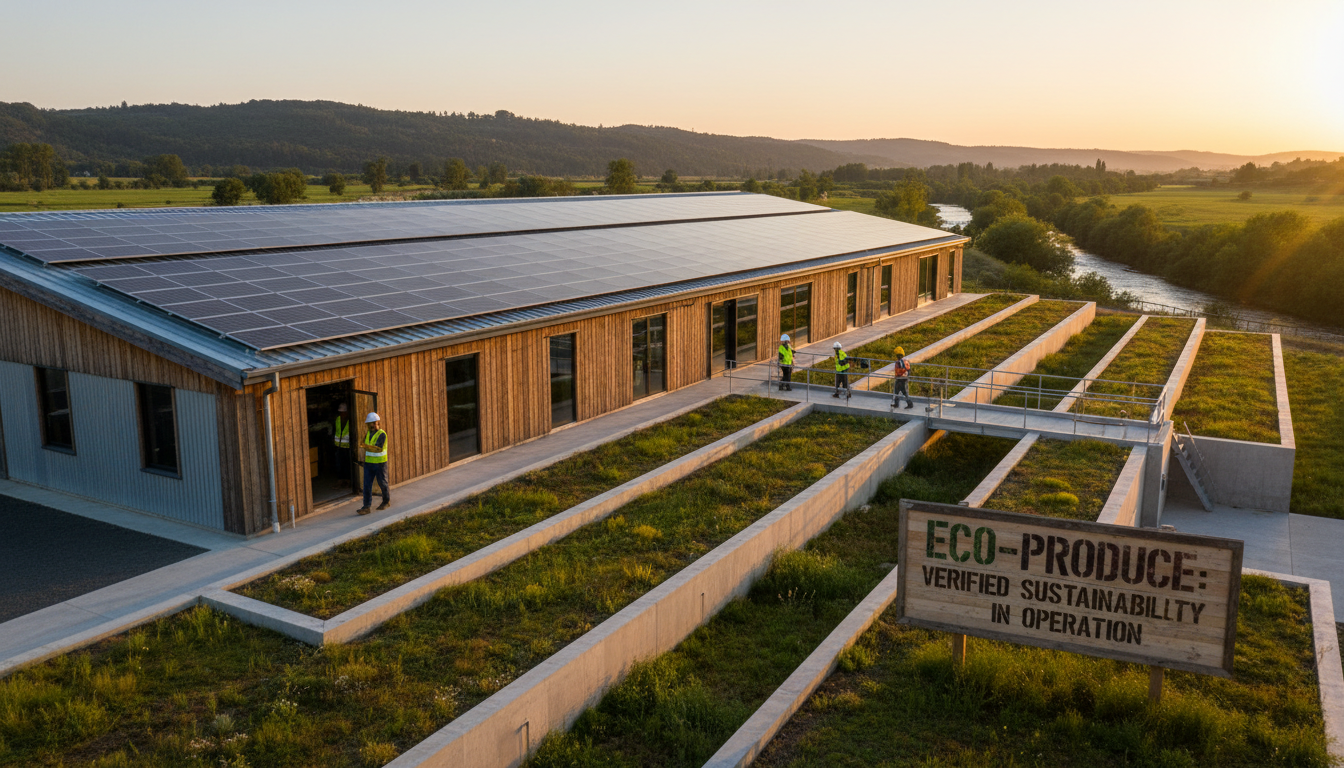
Adopting sustainable practices offers numerous advantages. Primarily, it helps businesses reduce waste and lower operational costs. Additionally, sustainable companies often enjoy increased customer loyalty as consumers become more conscious of their purchasing decisions. Furthermore, sustainable practices can open up new market opportunities and drive innovation.
Steps to Integrate Sustainability
Integrating sustainability requires a comprehensive approach. Businesses should start by assessing their current practices and identifying areas for improvement. Here are some key steps to consider:
- Conduct a sustainability audit to understand your current impact.
- Set clear, achievable sustainability goals.
- Engage stakeholders in your sustainability journey.
- Implement sustainable practices across the supply chain.

Engaging Employees and Stakeholders
One of the most effective ways to integrate sustainability is by involving your employees and stakeholders. Encourage a culture of sustainability by providing training and resources. Collaborate with suppliers and partners to ensure that sustainability is upheld throughout your business ecosystem. This collaborative effort can lead to more innovative solutions and stronger relationships.
Measuring and Reporting Sustainability Efforts
To ensure the effectiveness of your sustainability strategy, it's essential to measure and report your efforts. Utilize key performance indicators (KPIs) to track progress. Regular reporting not only demonstrates accountability but also provides an opportunity to communicate successes and areas for improvement to stakeholders.

Leveraging Technology for Sustainability
Technology plays a crucial role in achieving sustainability goals. From energy-efficient systems to advanced data analytics, technology can help businesses reduce their carbon footprint and optimize resources. Consider investing in renewable energy sources and smart technologies to further enhance your sustainability efforts.
Overcoming Challenges in Sustainability Integration
While integrating sustainability offers many benefits, it can also present challenges. Common obstacles include initial costs, resistance to change, and lack of expertise. To overcome these hurdles, businesses should focus on long-term gains, provide education and support, and seek partnerships with experts in the field.
The Future of Sustainable Business
As the global focus on sustainability intensifies, businesses that prioritize these initiatives will likely lead the way in innovation and market leadership. By embedding sustainability into their core strategies, companies can not only contribute to a healthier planet but also secure a competitive advantage in the marketplace.
In conclusion, integrating sustainability into business operations is a multifaceted process that requires commitment and collaboration. By following a structured approach and leveraging available resources, businesses can achieve significant benefits while contributing positively to society and the environment.