Operational Efficiency: Reducing Environmental Impact While Boosting Profits
Understanding Operational Efficiency
Operational efficiency is a critical component for any business looking to thrive in today’s competitive market. It involves optimizing processes to achieve maximum productivity with minimal wasted effort or expense. A focus on operational efficiency not only increases profits but also plays a pivotal role in reducing a company's environmental footprint.
By streamlining operations, businesses can significantly cut down on waste and energy consumption. This dual benefit of boosting profits while minimizing environmental impact is increasingly attractive to companies committed to sustainability.

Implementing Sustainable Practices
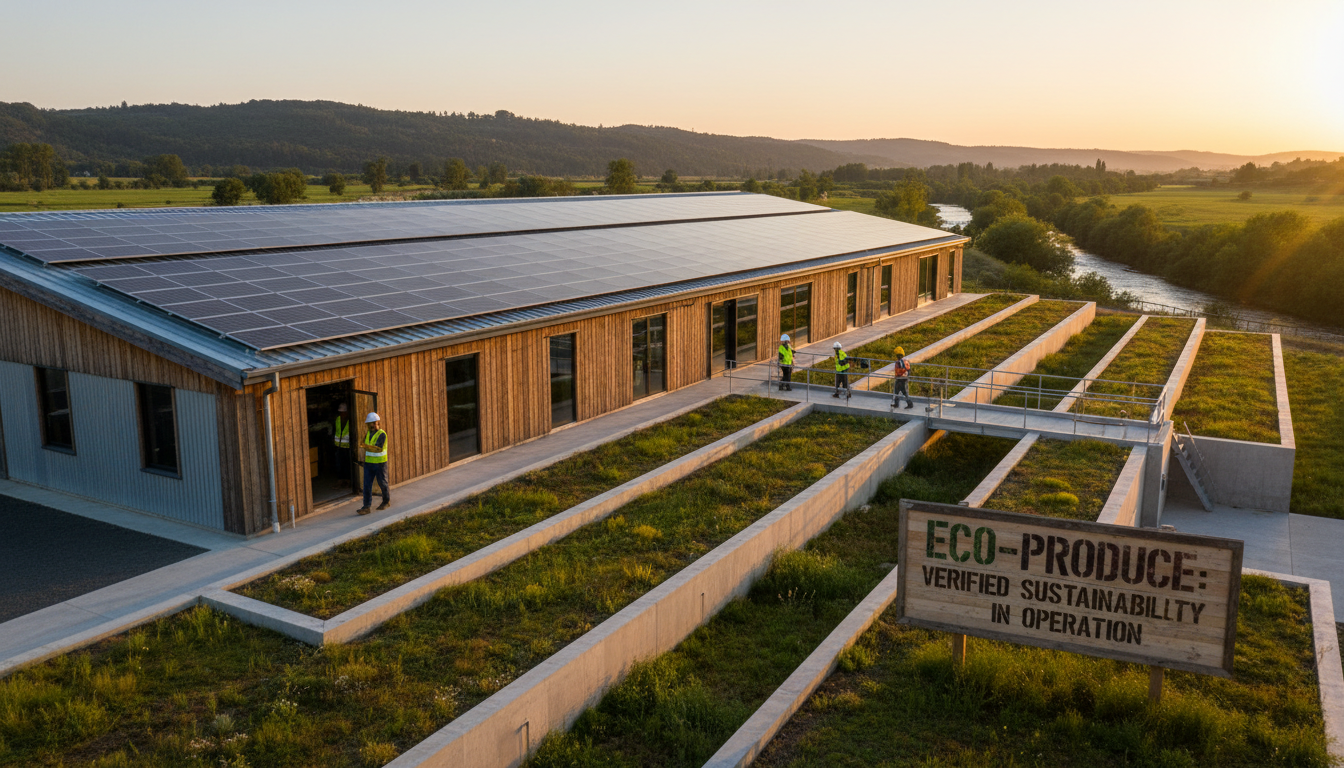
Transitioning to sustainable practices is a strategic move that can enhance operational efficiency. Here are some key strategies:
- Energy Efficiency: Implementing energy-efficient technologies can reduce energy consumption and costs. This includes upgrading equipment and optimizing lighting and heating systems.
- Waste Reduction: Streamlining production processes to minimize waste can lead to significant cost savings. Recycling and reusing materials are effective ways to achieve this.
- Supply Chain Optimization: Working with suppliers committed to sustainability can enhance your company's environmental credentials while improving supply chain efficiency.
These changes not only contribute to a healthier planet but also position the company as a leader in corporate responsibility.
The Role of Technology
Technology plays a vital role in enhancing operational efficiency. Automated systems and data analytics can provide insights into areas where efficiency can be improved. Moreover, technology-driven solutions can help businesses monitor their environmental impact more effectively.
Investing in technology not only streamlines operations but also ensures that businesses can adapt quickly to changing market demands and regulatory requirements.

Measuring Success
To ensure that operational efficiency efforts are successful, it’s crucial to establish metrics for measuring progress. This includes tracking energy usage, waste production, and other key performance indicators (KPIs).
Regularly reviewing these metrics allows businesses to identify areas for improvement and adjust strategies accordingly. This continuous improvement cycle is essential for maintaining both profitability and environmental responsibility.
The Financial Benefits
Operational efficiency drives financial performance in several ways. By reducing waste and energy use, companies can lower operational costs. Additionally, streamlined processes often lead to faster production times and improved product quality, which can enhance customer satisfaction and loyalty.
Moreover, companies that prioritize sustainability often experience enhanced brand reputation, attracting environmentally conscious consumers and investors.

Conclusion: A Sustainable Future
Embracing operational efficiency is not just a smart business move—it's a necessity for a sustainable future. As companies continue to innovate and adopt more efficient practices, they not only improve their bottom line but also contribute to a healthier planet.
By striking the right balance between profitability and environmental responsibility, businesses can thrive in today’s market while making a positive impact on the world.