Reducing Your Carbon Footprint: A Step-by-Step Guide for Businesses
Understanding Your Carbon Footprint
Every business, regardless of its size, has a carbon footprint. This refers to the total amount of greenhouse gases produced directly and indirectly by your company. To reduce it effectively, you first need to understand its components. Start by identifying key areas where your business emits carbon, such as energy consumption, transportation, and supply chain operations.
Conducting a Carbon Audit
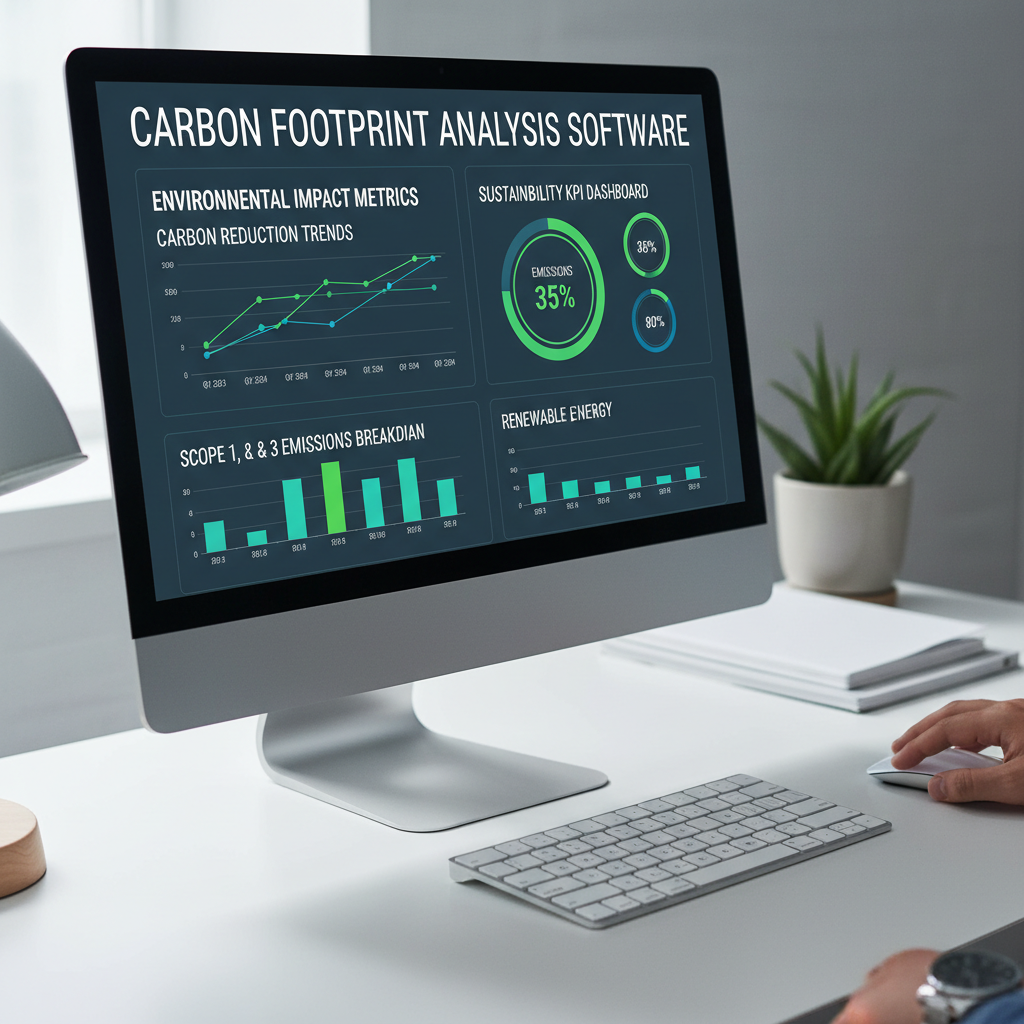
A carbon audit is a comprehensive assessment of your business's carbon emissions. It helps you pinpoint specific areas where you can make improvements. Consider hiring a professional auditor or using software that can track and analyze your emissions data. This step is crucial for setting a baseline and measuring progress over time.
Setting Reduction Goals
Once you have a clear understanding of your carbon footprint, set realistic and achievable reduction goals. These should be specific, measurable, achievable, relevant, and time-bound (SMART). For example, aim to reduce energy consumption by 15% within the next year. Clear goals will guide your efforts and help maintain focus.
Implementing Energy Efficiency Measures
Energy efficiency is one of the most effective ways to reduce your carbon footprint. Start by upgrading to energy-efficient lighting and appliances. Encourage behavioral changes among employees, such as turning off lights and equipment when not in use. You can also explore renewable energy options like solar or wind power.

Optimizing Transportation
Transportation is a major contributor to carbon emissions. Encourage carpooling, use of public transportation, or consider investing in electric vehicles for your company fleet. Additionally, optimize delivery routes and schedules to minimize fuel consumption.
Enhancing Sustainable Practices in the Supply Chain
Your supply chain can significantly impact your overall carbon footprint. Work with suppliers who prioritize sustainability and are transparent about their own carbon emissions. Consider local sourcing to reduce transportation emissions and engage in collaborative efforts to improve sustainability throughout the supply chain.

Engaging Employees and Stakeholders
Reducing your carbon footprint is a team effort. Engage your employees by educating them about sustainability and encouraging them to participate in green initiatives. Inform stakeholders about your goals and progress. Transparency and collaboration can foster a culture of sustainability within your organization.
Monitoring Progress and Making Adjustments
Regularly monitor your progress to ensure you're on track to meet your carbon reduction goals. Use the data collected to make informed decisions and adjustments as needed. Continuous improvement is key to long-term success and sustainability.
Celebrating Achievements and Sharing Success
As you reach your milestones, celebrate these achievements with your team and share your success stories with your network. Not only does this boost morale, but it also inspires others to take similar actions. Highlighting your efforts can enhance your brand's reputation and attract eco-conscious clients.